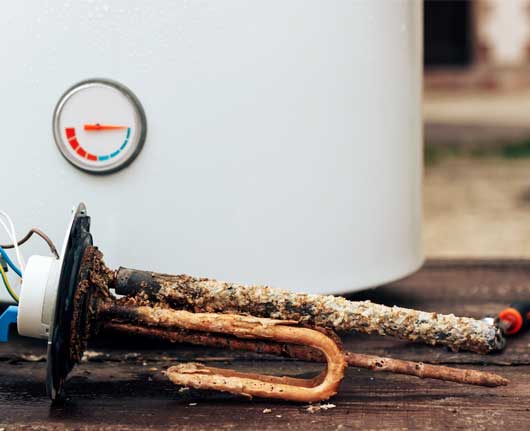
Because the system is quietly negotiating with wear. Sediment builds, elements weaken, thermostats drift. The heater still works, just not for as long, and that shortening window is the clue.
It’s rarely personality. Popping or rumbling usually means internal stress, often from sediment reacting to heat. The sound is the system’s way of admitting it’s working harder than it should.
Because consistency depends on balance. When controls or sensors lose accuracy, temperature becomes a guess rather than a setting. The result feels random, but the cause is usually specific.
Yes, mainly because demand never pauses. Commercial systems cycle constantly, so small inefficiencies surface faster. The repair logic stays the same, but timing and durability matter more.
When leaks appear, hot water disappears completely, or safety is uncertain. Emergency water heater repair isn’t about panic. It’s about preventing water from turning a mechanical issue into a structural one.